Page contents
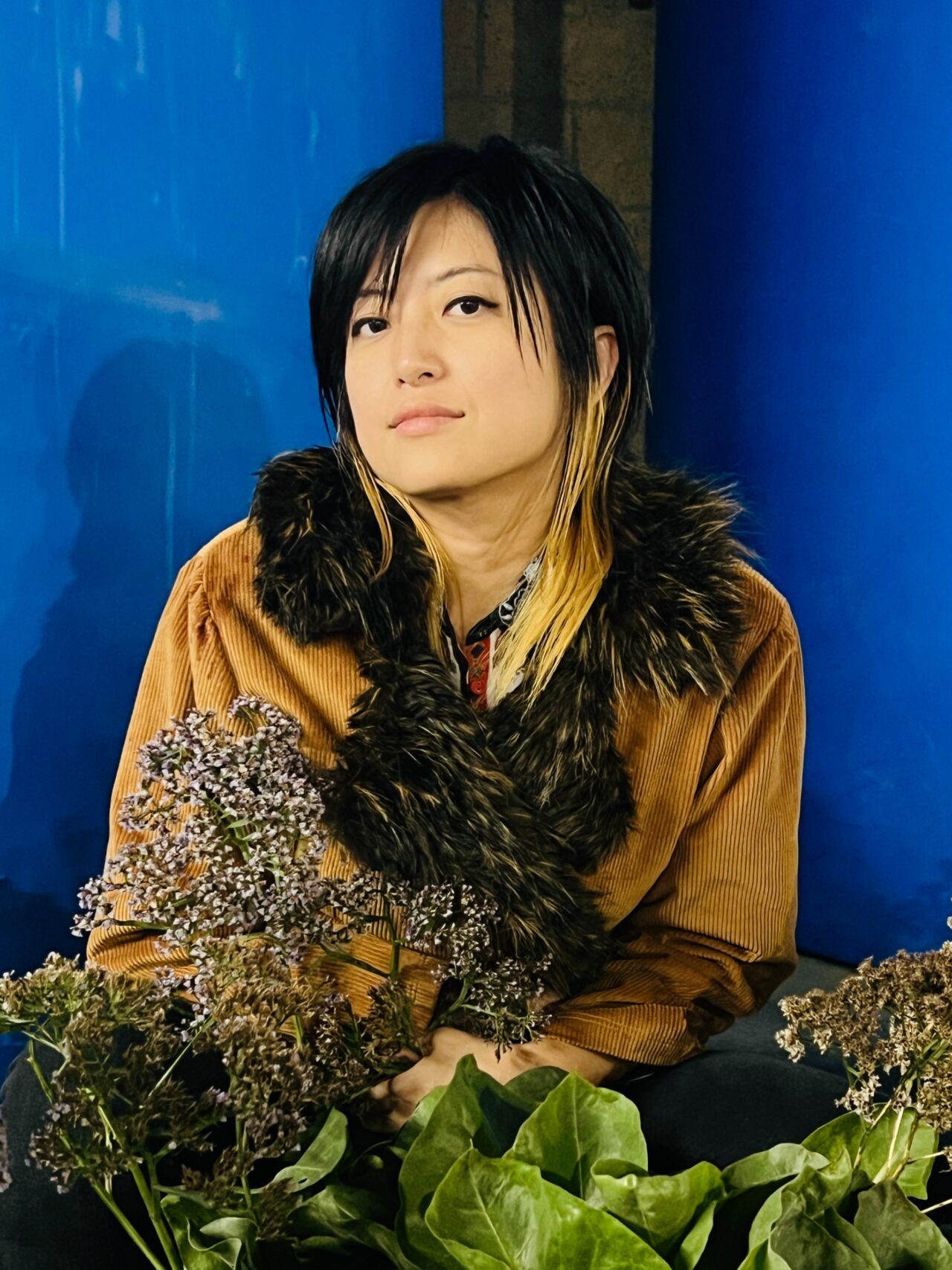
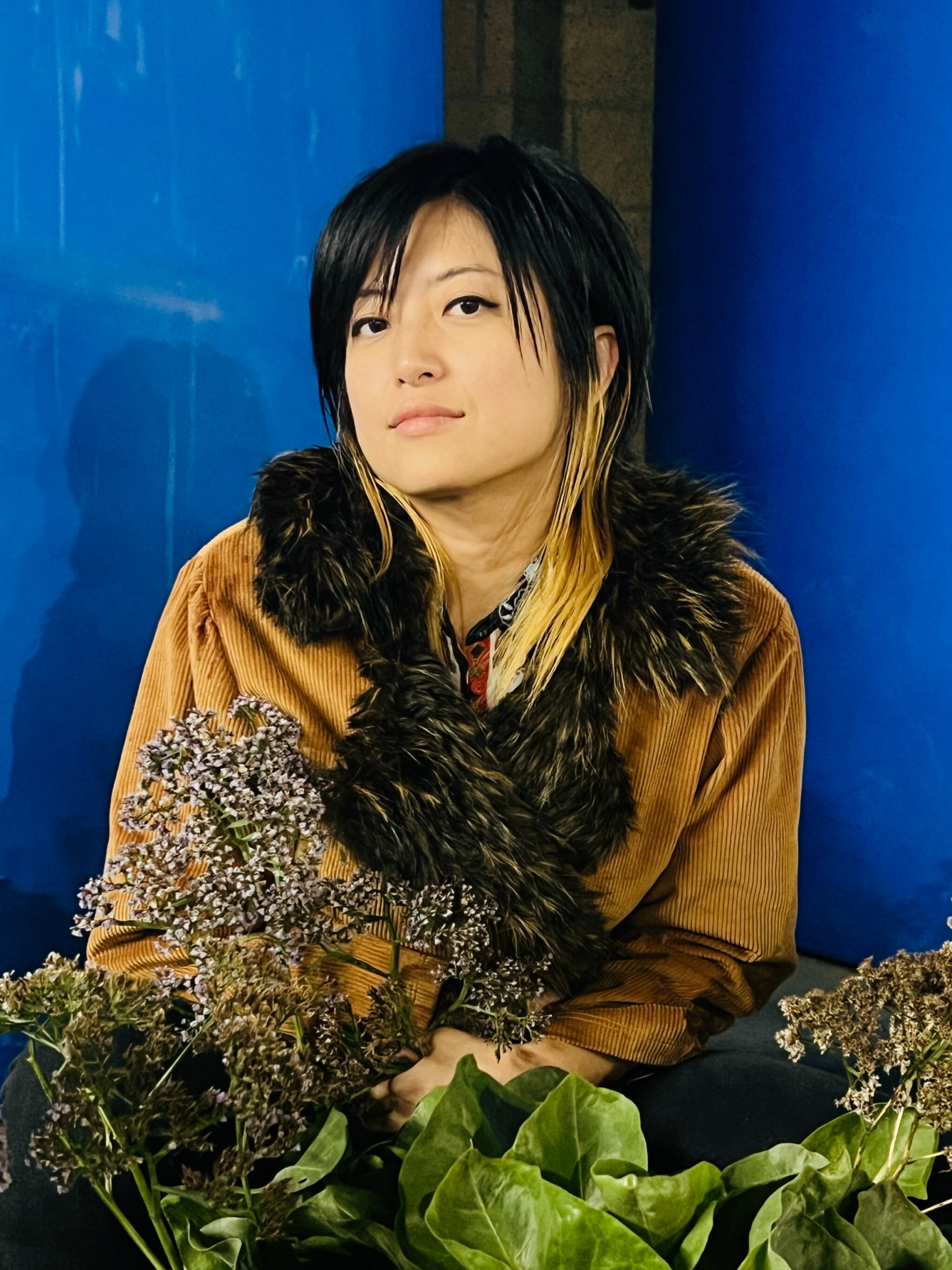
Pictured is the artist Xin Xin, an Asian-American person with a layered haircut illuminated by dark blue and warm yellow lights.Pictured is the artist Xin Xin, an Asian-American person with a layered haircut illuminated by dark blue and warm yellow lights.

Portrait of Eyebeam alum artist 2020-2021, Xin Xin. Courtesy of the artist.

With Xin Xin (林心瑜)
Pronouns
They/them
Date and place of birth
b. 1986, Taipei, Taiwan
Current location
Los Angeles, CA and New York, NY
Year(s) of residency and/or fellowship
2020, Rapid Response Fellow

How do you characterize the media you work in?

While I don’t limit myself to a single medium, I think my attraction to ephemerality leads me to work with time-based media most of the time. Over the past decade, I’ve worked across software, performances, and video arts.

As a Taiwanese immigrant and a queer nonbinary person, I’m also naturally inclined to recognize things that don’t fit into the box. Incorporating emerging technologies in time-based media feels like a great way to disorient participants and express the ineffable. 

How does your practice engage with technology?

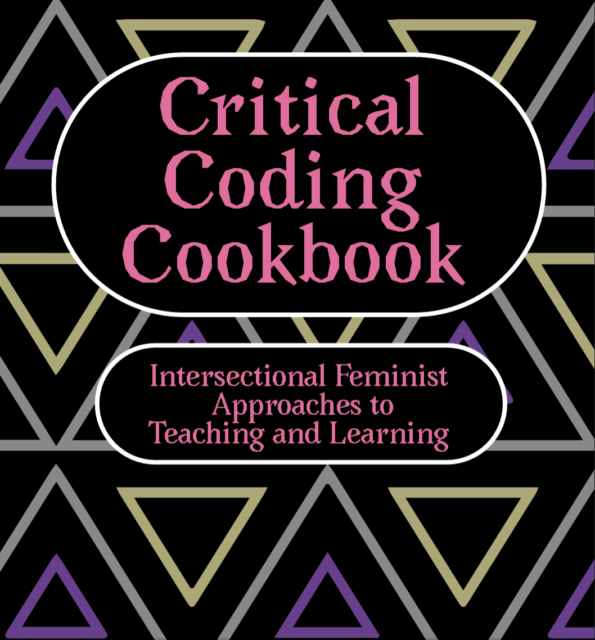
At the moment, I’m exploring community-driven technology in creative and educational spaces. As creator of TogetherNet and co-editor of the Critical Coding Cookbook, I advocate for liberatory software culture through the reclamation and subversion of power dynamics embedded within digital systems.

It feels important to think about ideas of sovereignty, democracy, and community as they relate to archives, including those in the digital sphere. I’m interested in working with different communities to host our own server infrastructures and collaboratively determine how a small group might maintain their own archive.
TogetherNet, Software and web application, 2021

What was your focus during your time at Eyebeam?

During the Rapid Response Fellowship, I developed TogetherNet, a peer-to-peer communication software designed for micro communities to archive private and public chat logs. The project was an incredible journey in thinking about data storage through the lens of consentful tech. Early in the fellowship, I studied Una Lee and Dann Toliver’s Consentful Tech Zine, which made explicit connections between consent as it relates to the physical body and to the digital body (think biometric and personal data). I applied the FRIES model of consent—Freely Given, Reversible, Informative, Enthusiastic, Specific—to software design, producing software that foments consentful behavior.

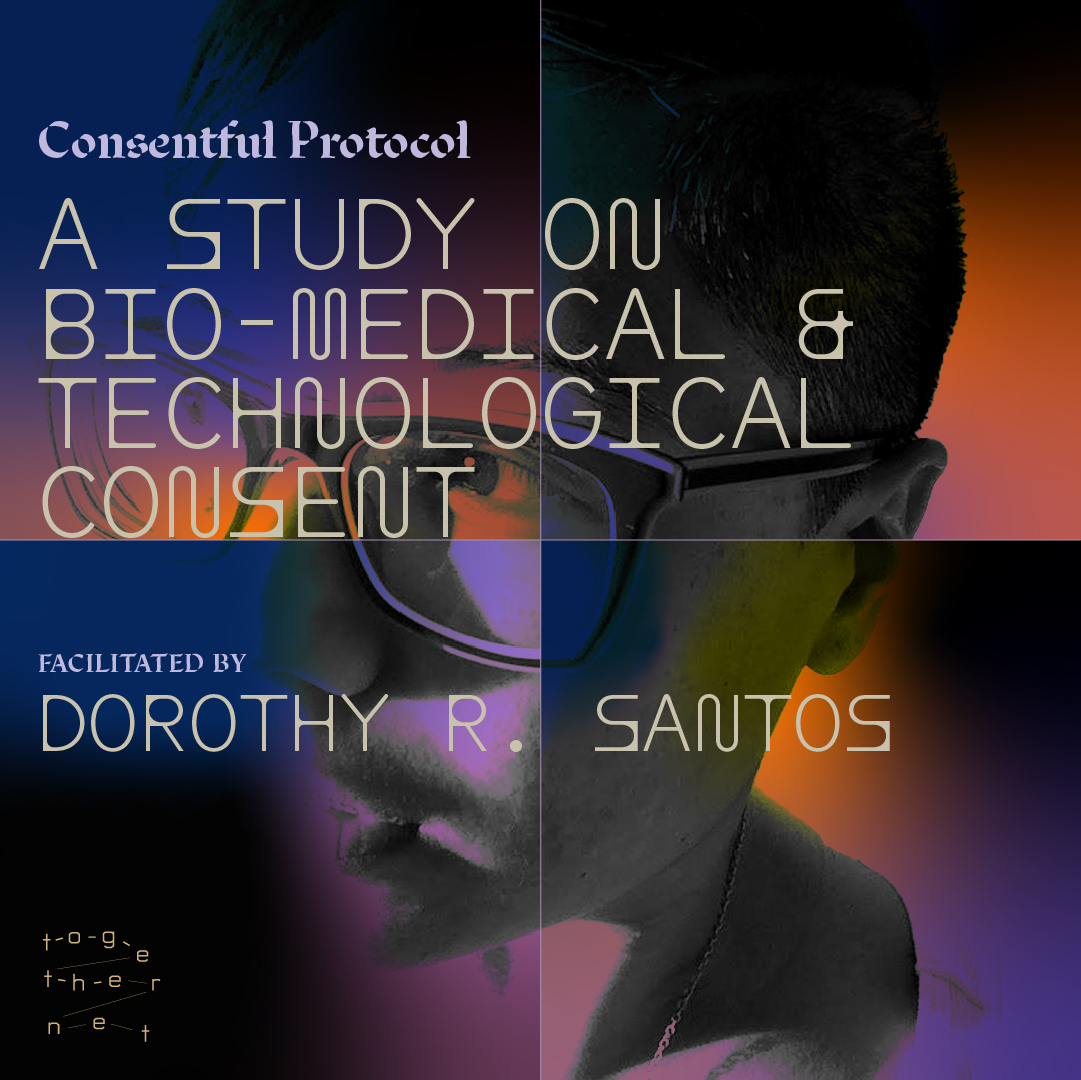
Graphic for a workshop for the Consentful protocol series.

Poster from “A Study on Bio-Medical and Technological Consent,” workshop facilitated by Dorothy R. Santos, presented at Eyebeam and School of the Art Institute of Chicago, “Consentful Protocol” series. Graphic Design by Livia Foldes.

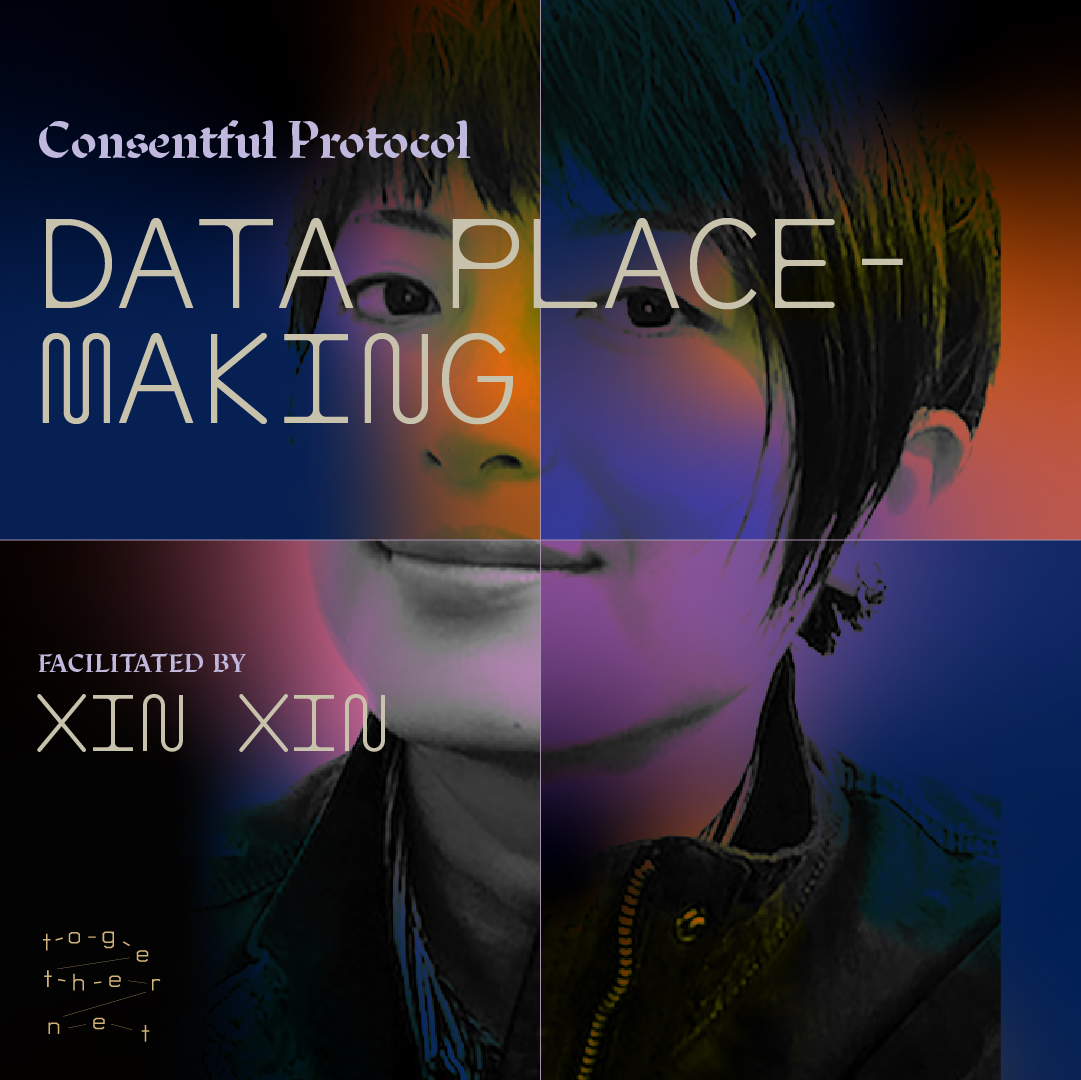
Graphic for a workshop for the Consentful protocol series.

Poster from “Data Place-Making,” workshop facilitated by Xin Xin, presented at Eyebeam and School of the Art Institute of Chicago, “Consentful Protocol” series. Graphic Design by Livia Foldes.

Was there a culminating project?

TogetherNet was presented through Consentful Protocol, an ongoing series that uses the workshop format to activate communal dialogues around data, health, oral history, and sex & intimacy consent. I really love the idea of sharing the software through workshops instead of demos. At the core, TogetherNet is about communal reflections rather than showmanship.

How has dialogue or collaboration with Eyebeam artists and alumni factored into your work?

Launching an open-source community was new territory for me, and the project’s advisor, Lauren Lee McCarthy, counseled me on what it means to make open-source software and how to build an inclusive community within that space. With the other fellows, I received support and feedback along the way, and I have a deep affinity for their projects.

How do you think about the role of the artist in society?

I’m interested in artists’ ability to shift language and discourse, though that’s not necessarily quantifiable. Being an artist is akin to asking questions that nobody really has answers to, prototyping from that, and—hopefully—stimulating new thoughts, new ideas, or new ways forward. It’s kind of like putting a ball in the world and seeing, does anyone catch it? How is it caught, and what happens next?

//////////////////////////////////////////////////////////////////////////////////////////////

Eyebeam models a new approach to artist-led creation for the public good; we are a non-profit that provides significant professional support and money to exceptional artists for the realization of important ideas that wouldn’t exist otherwise. Nobody else is doing this.

Donate today