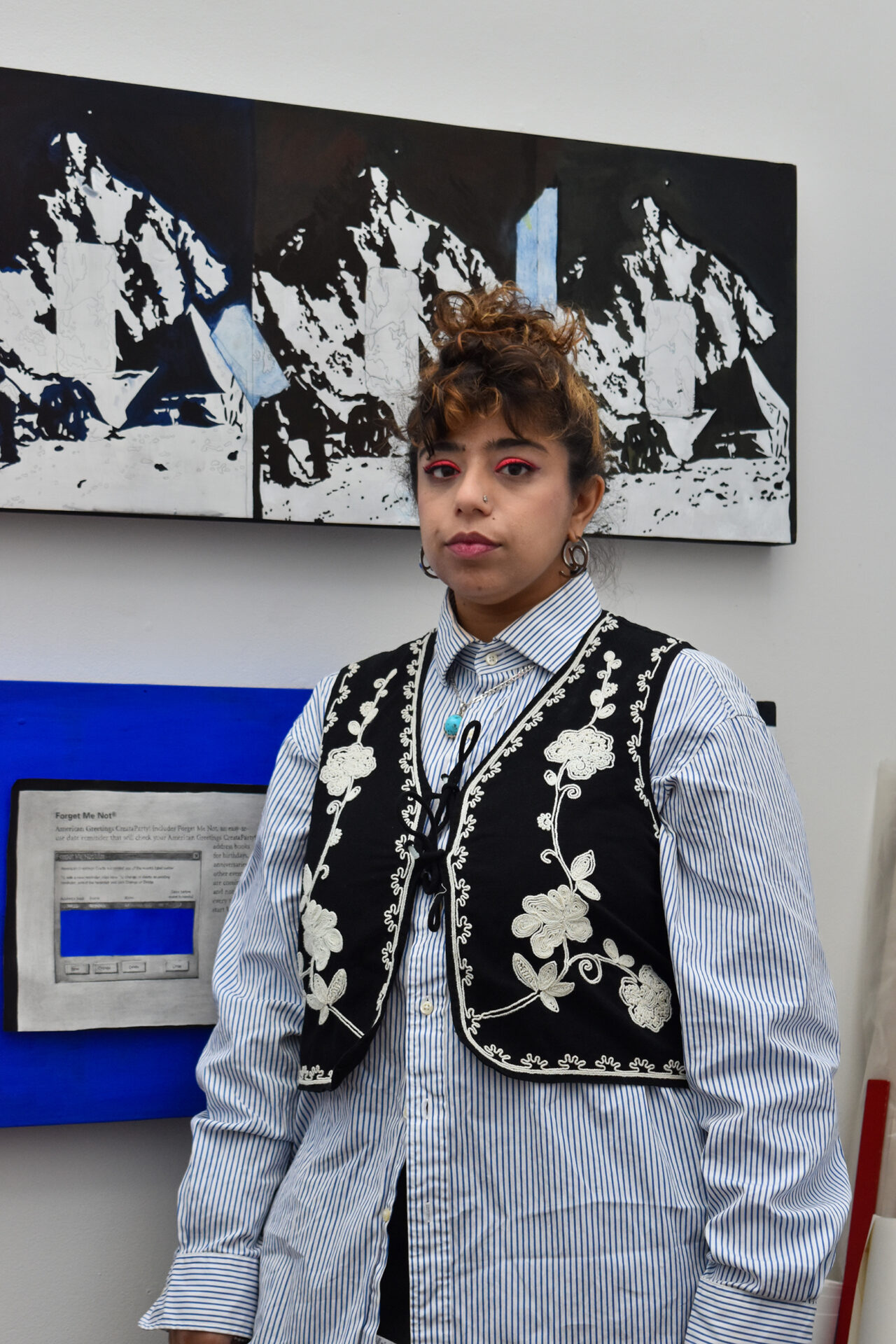
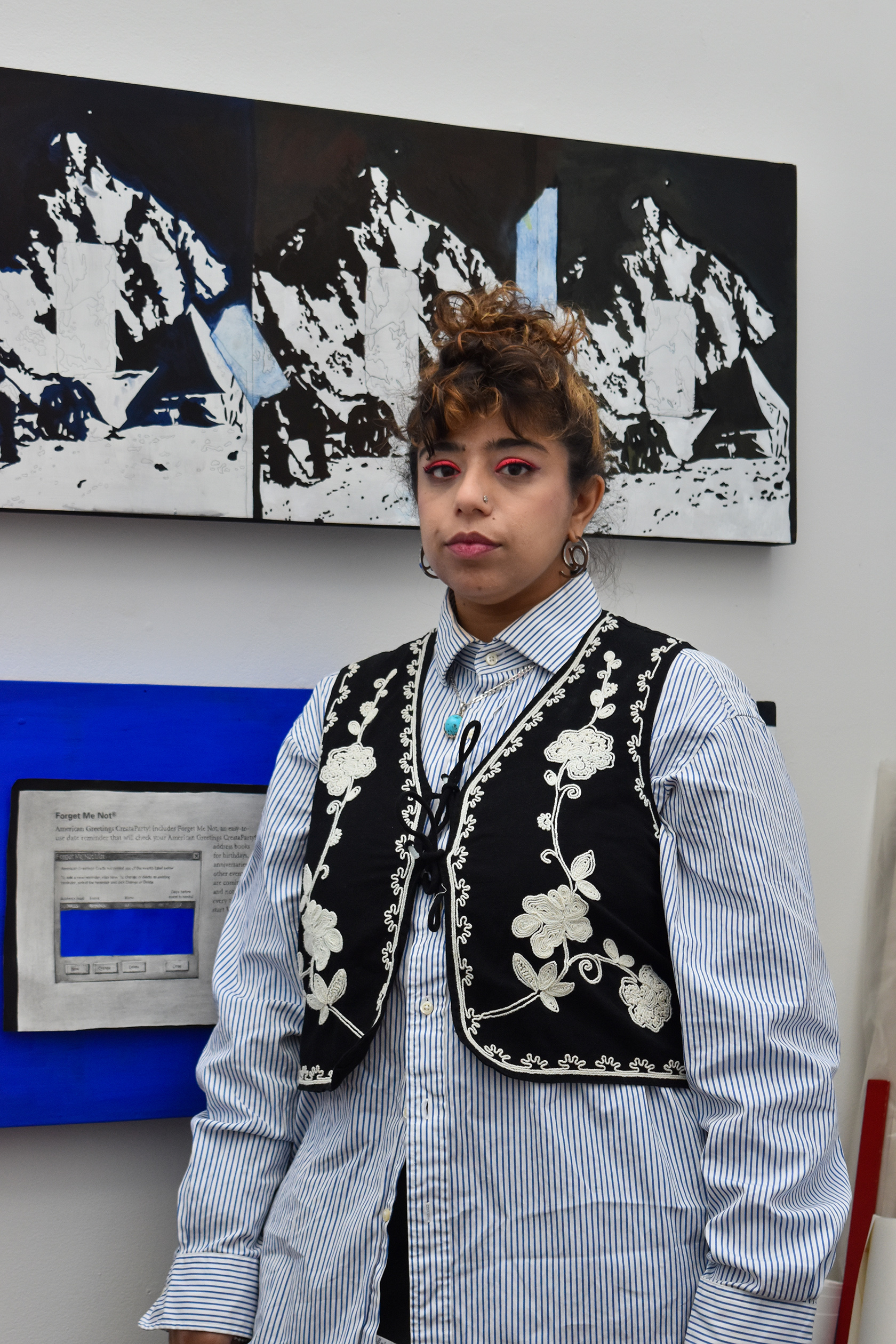
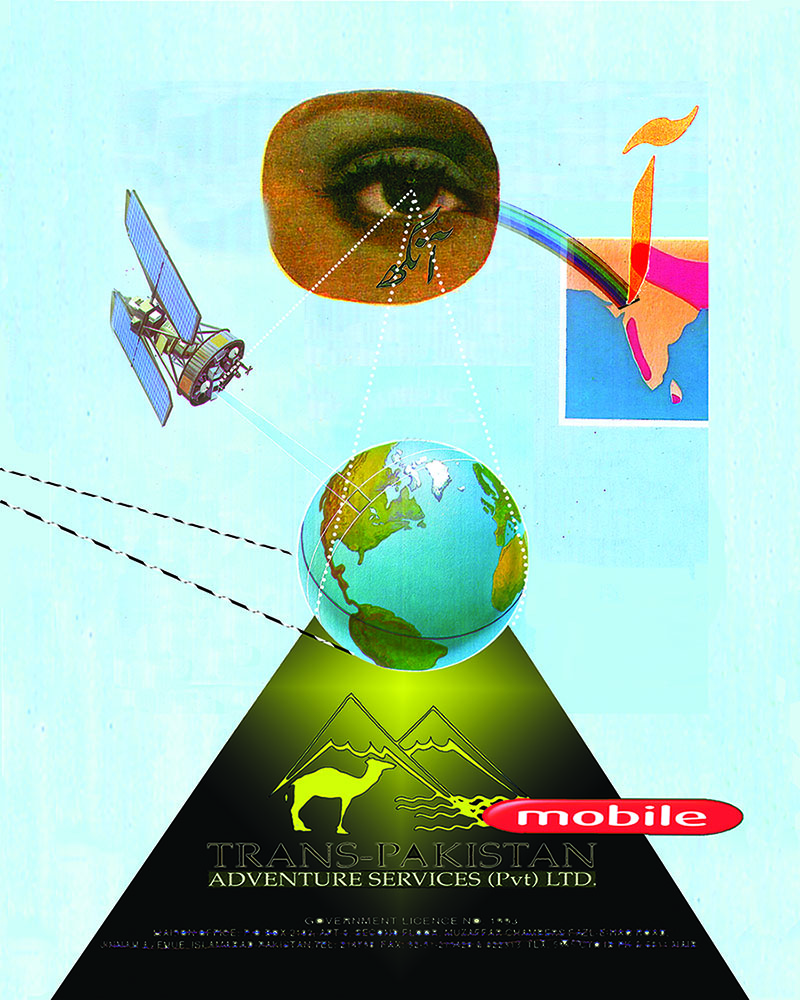
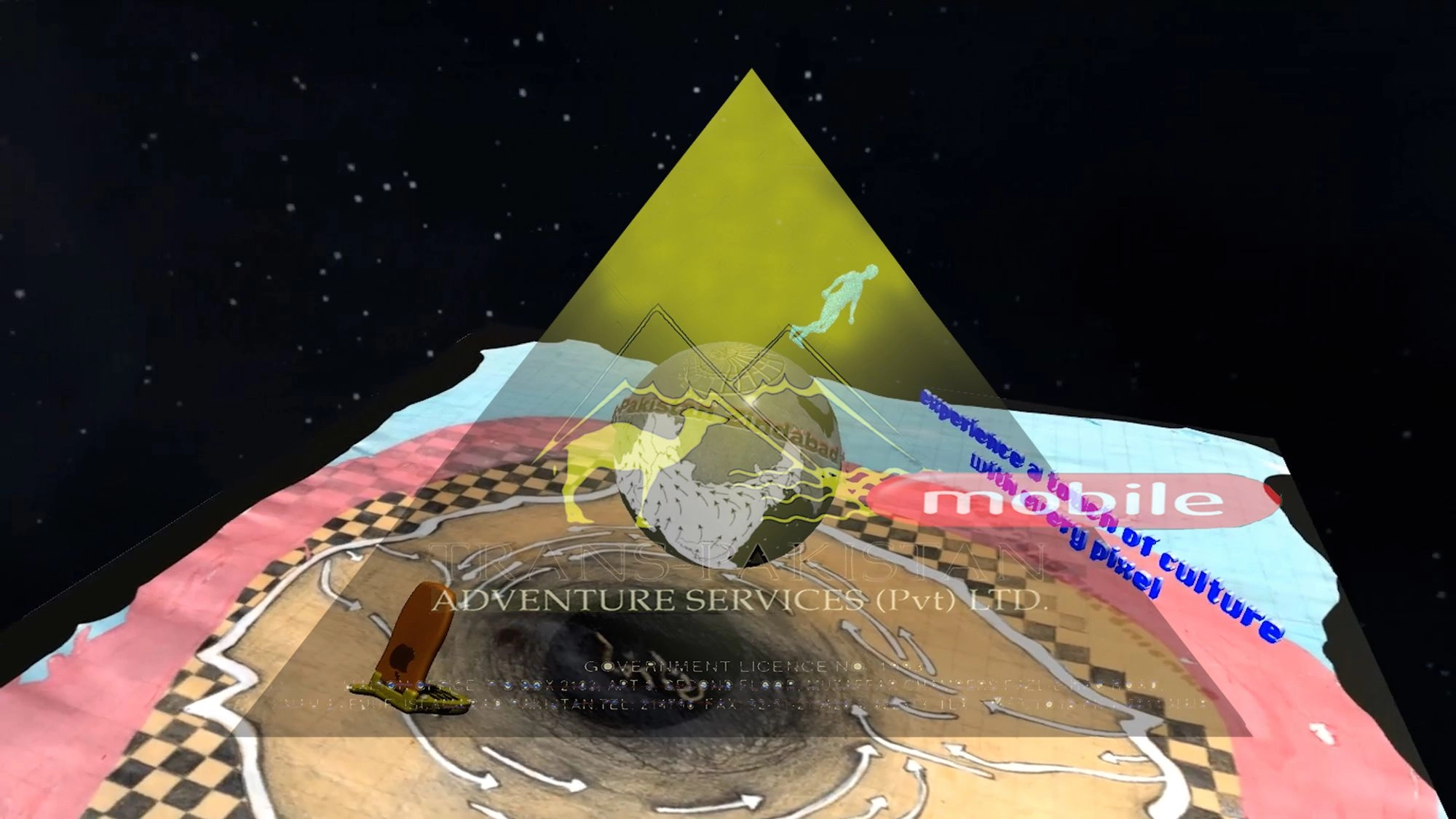
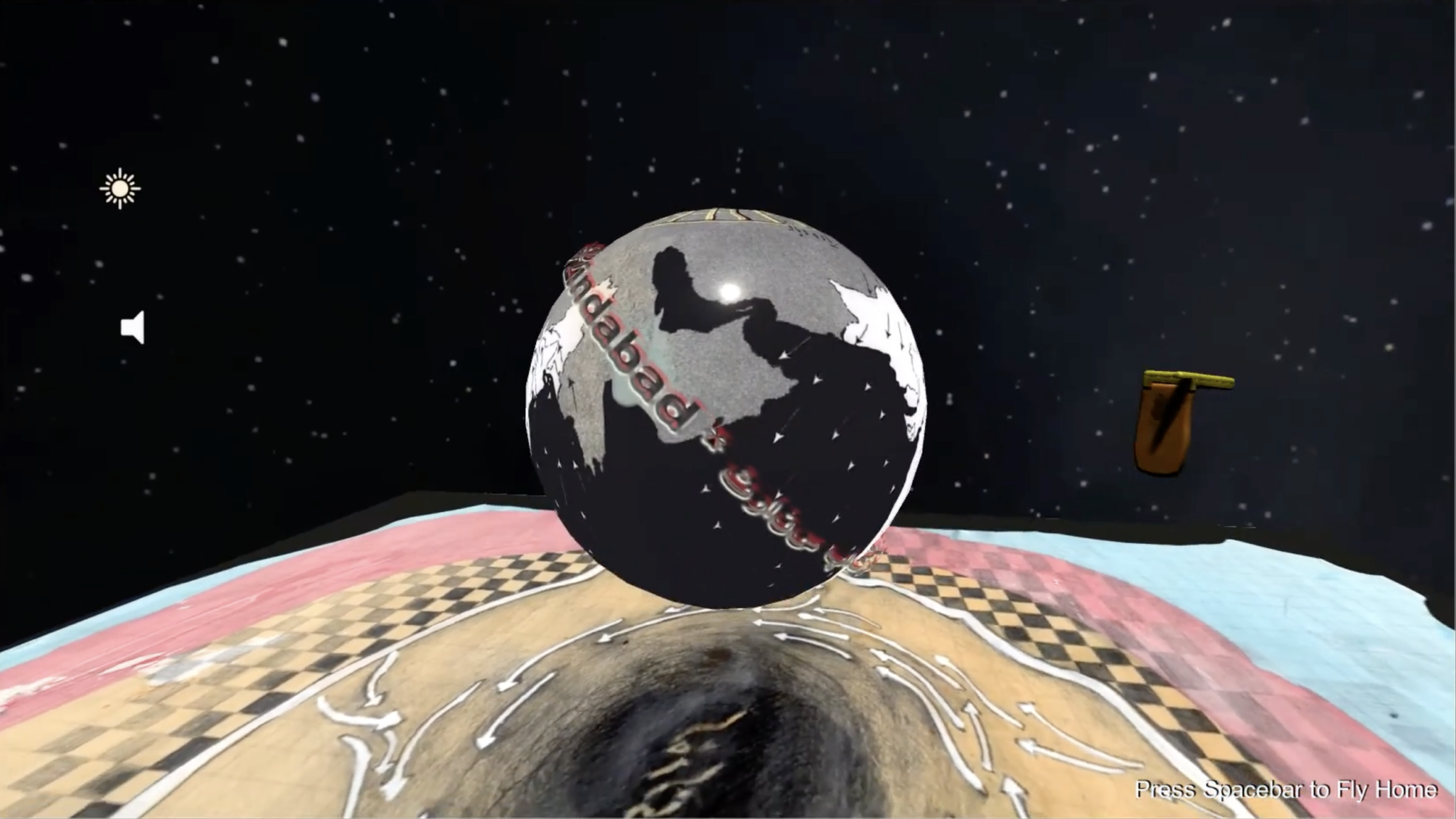
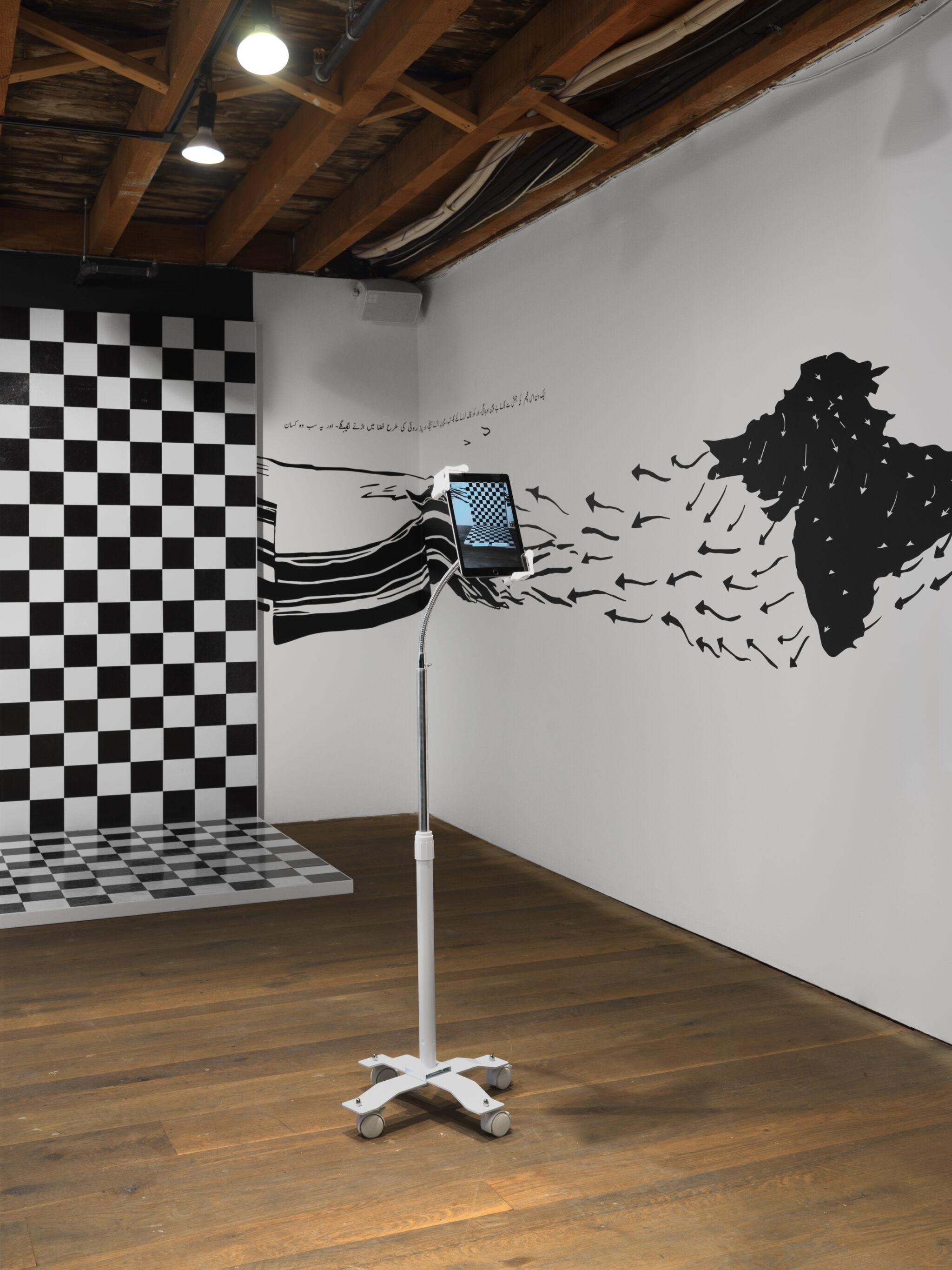
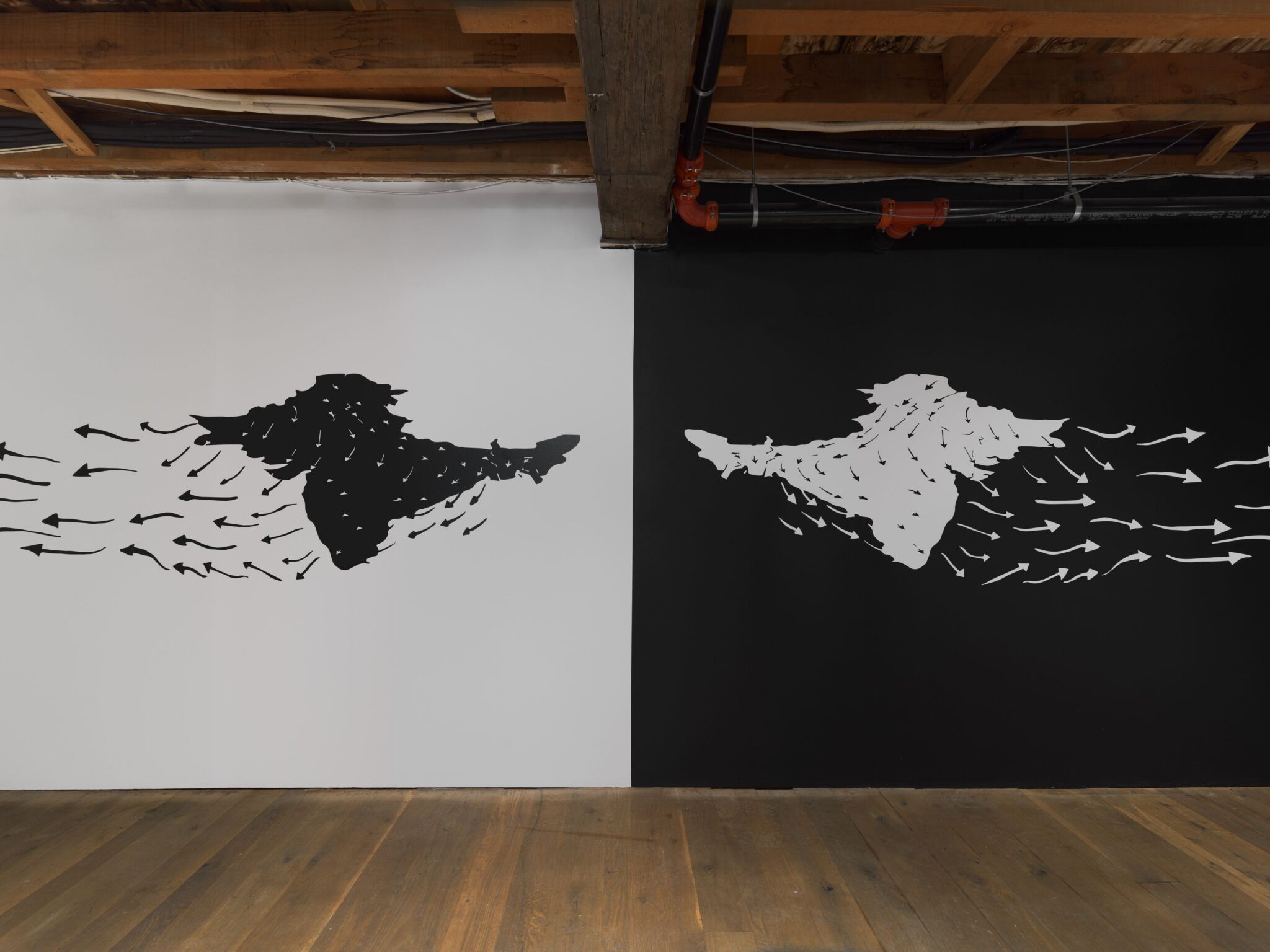
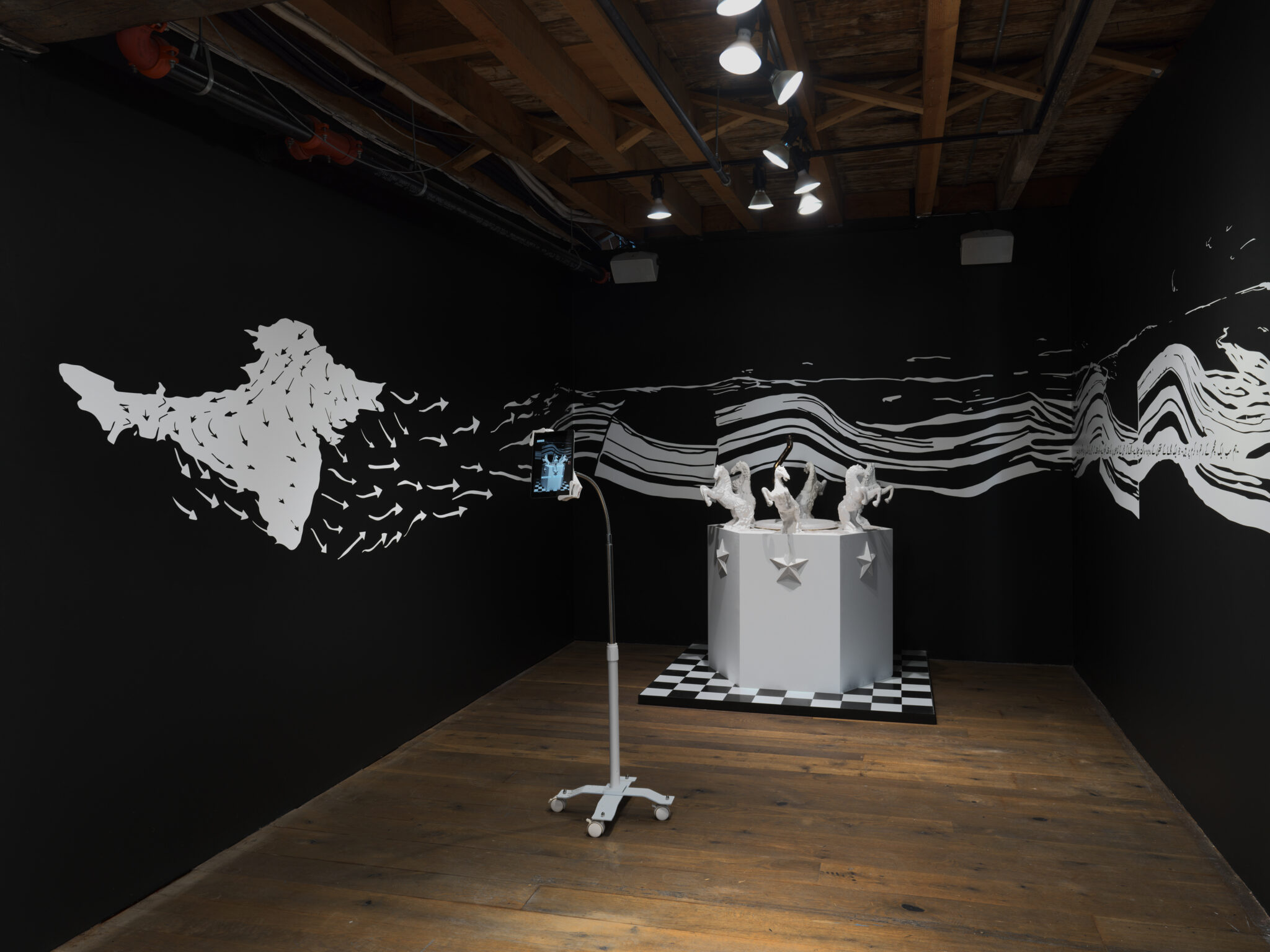
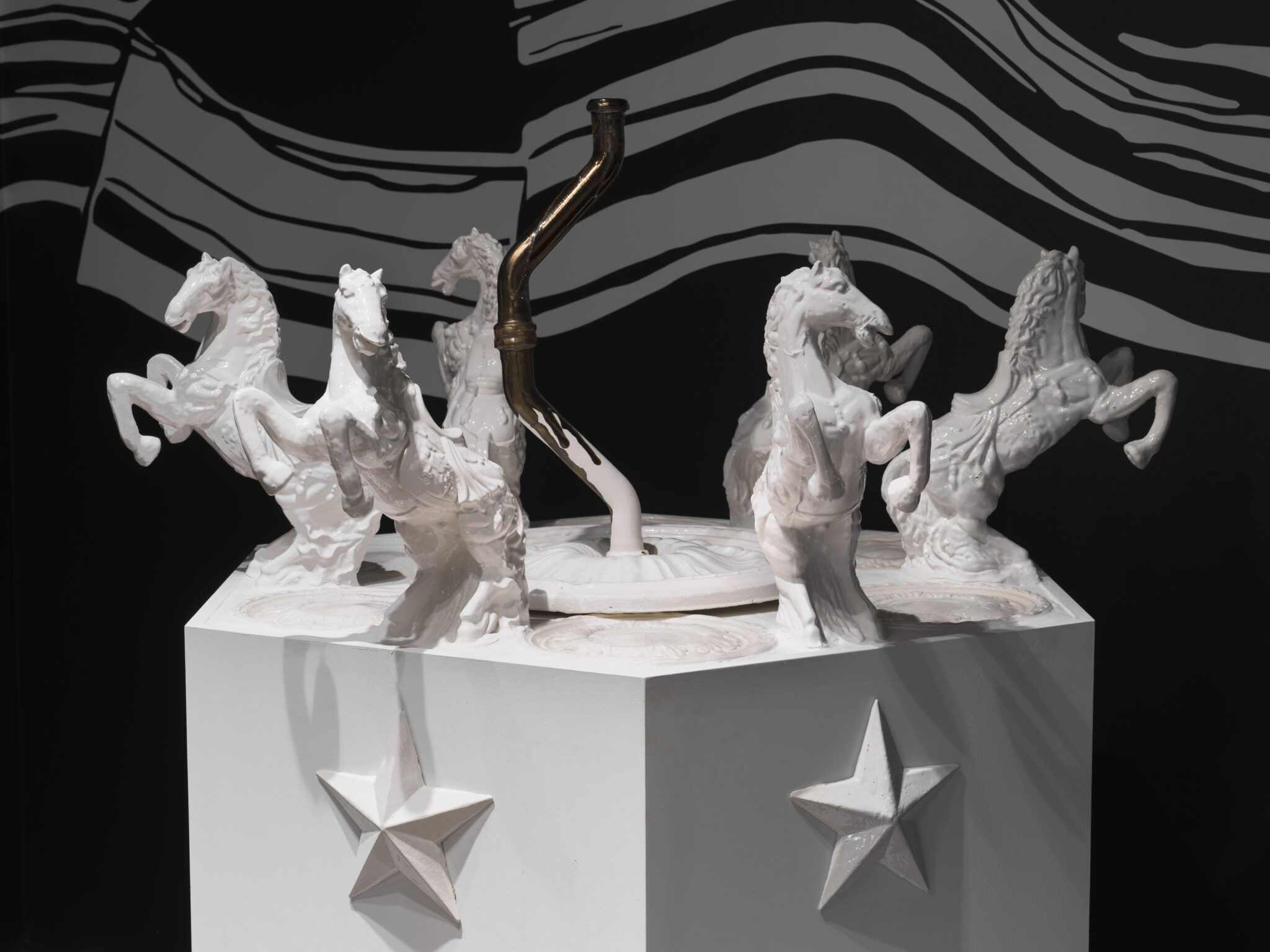
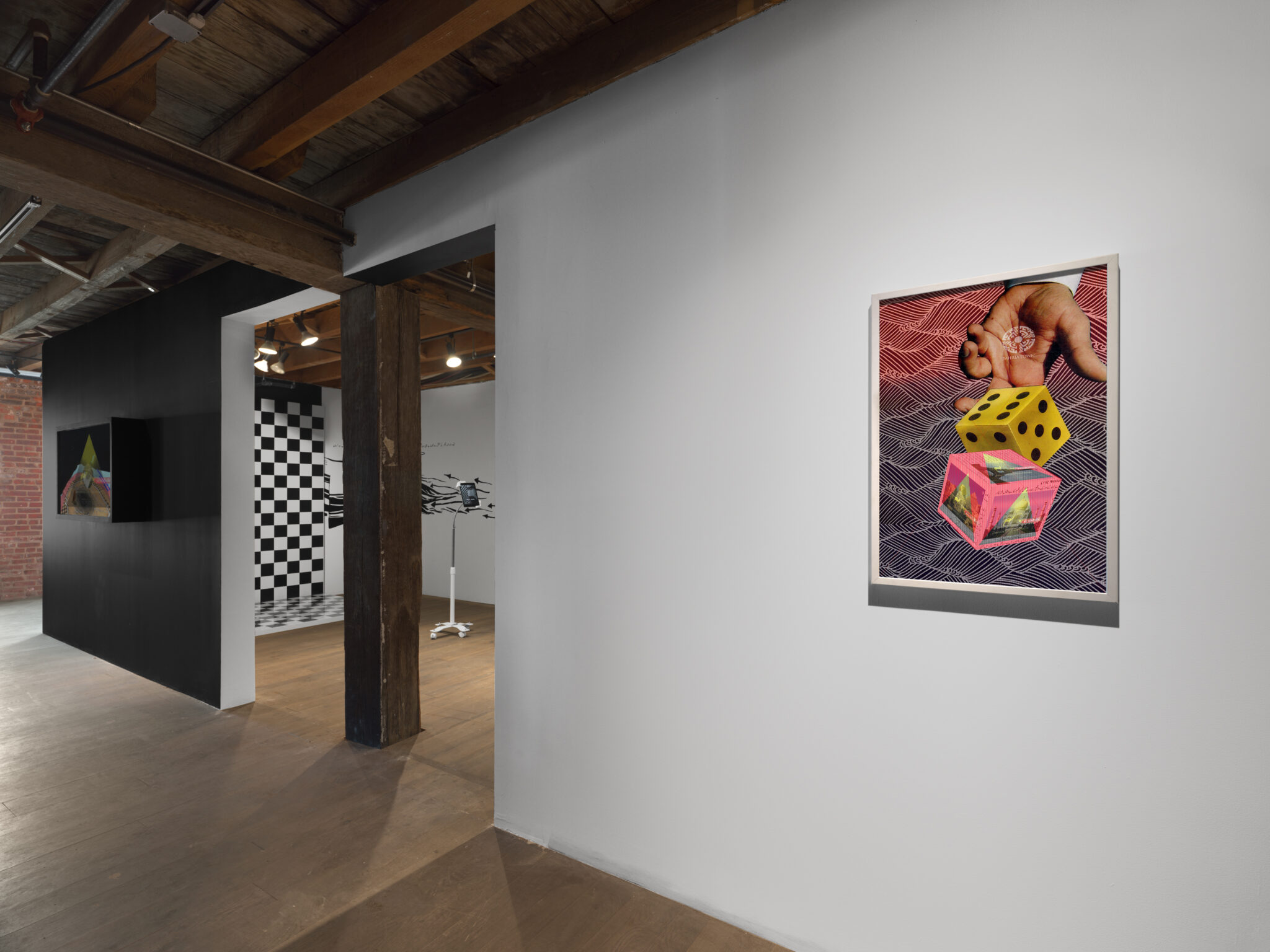
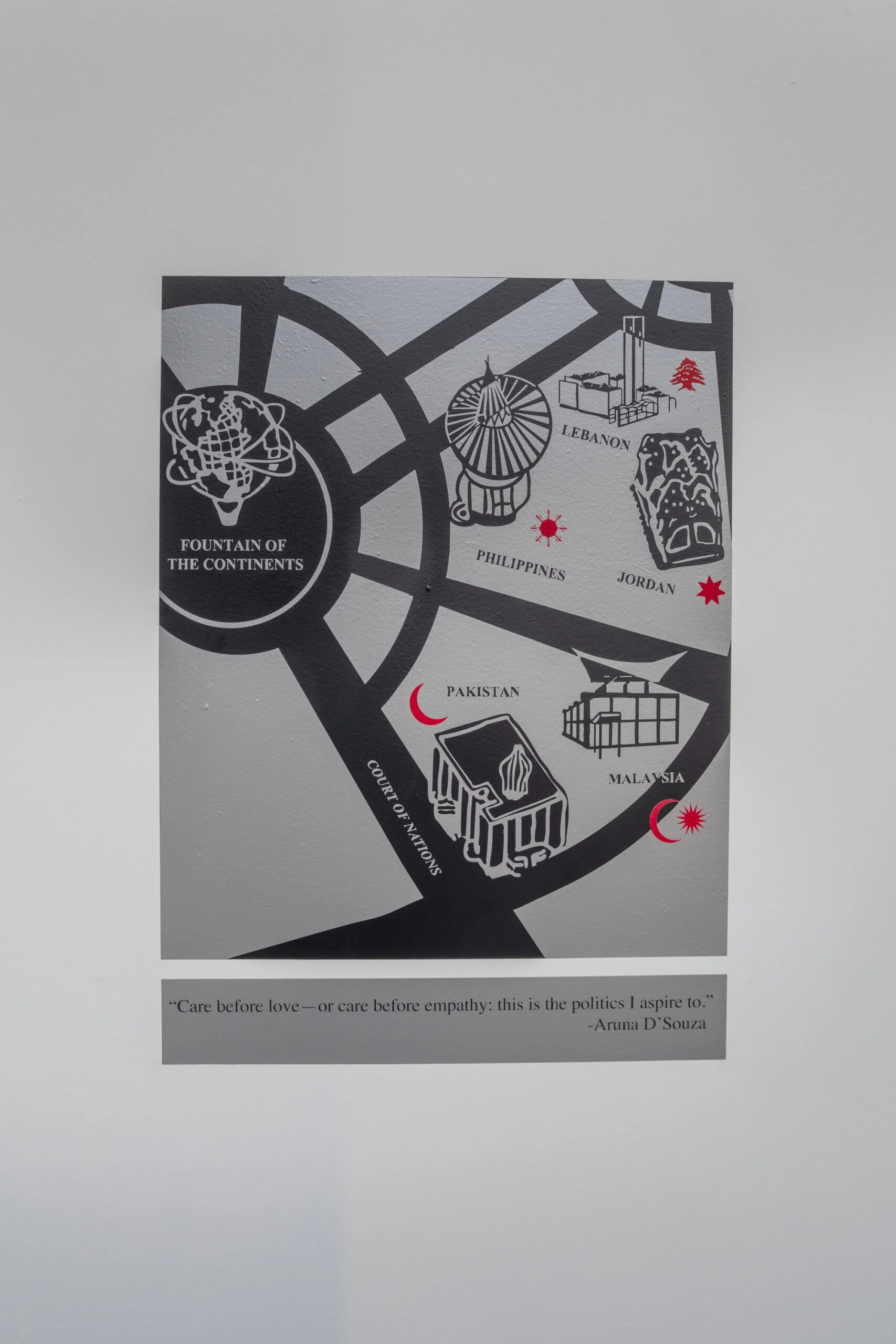
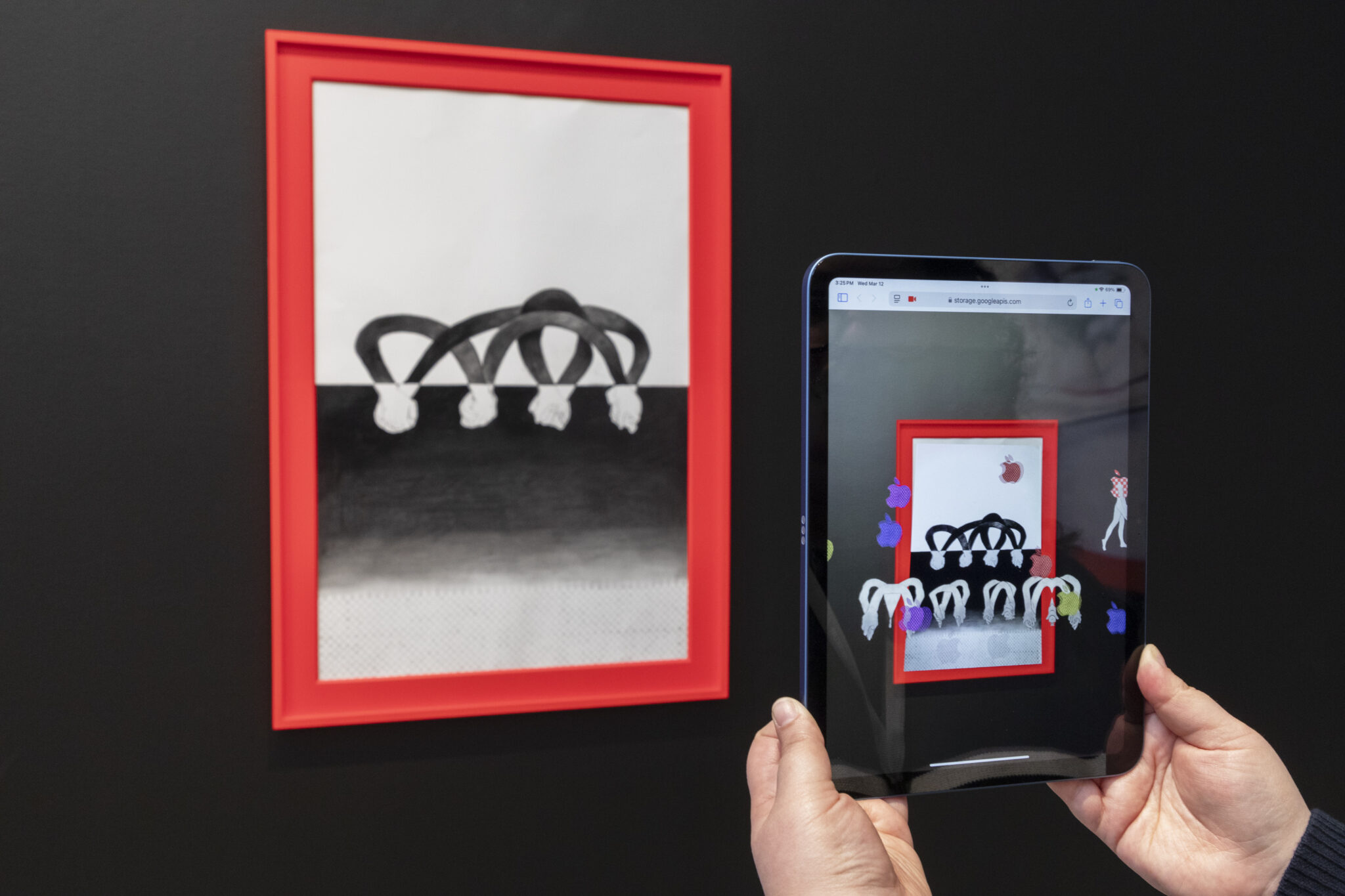
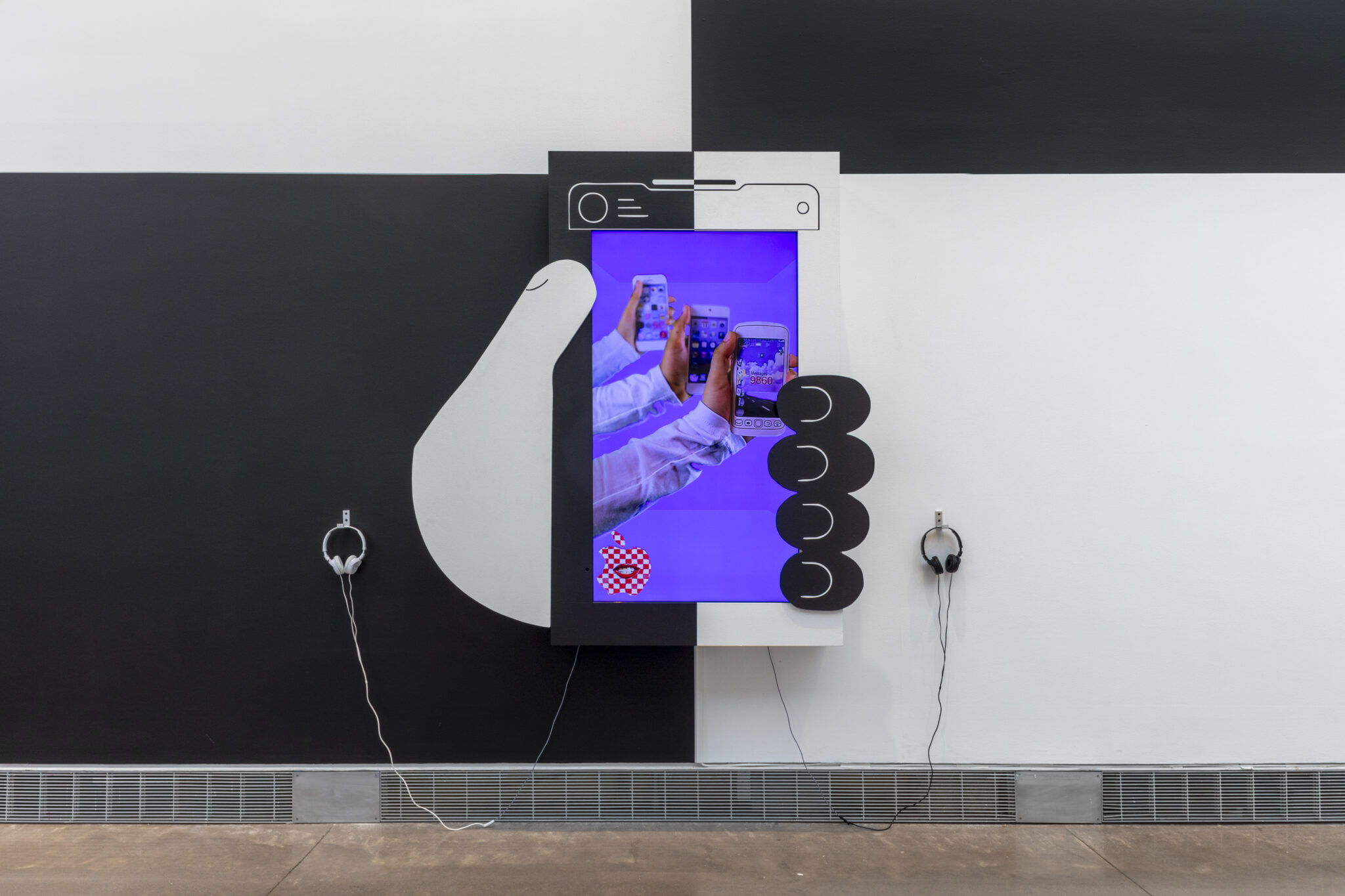
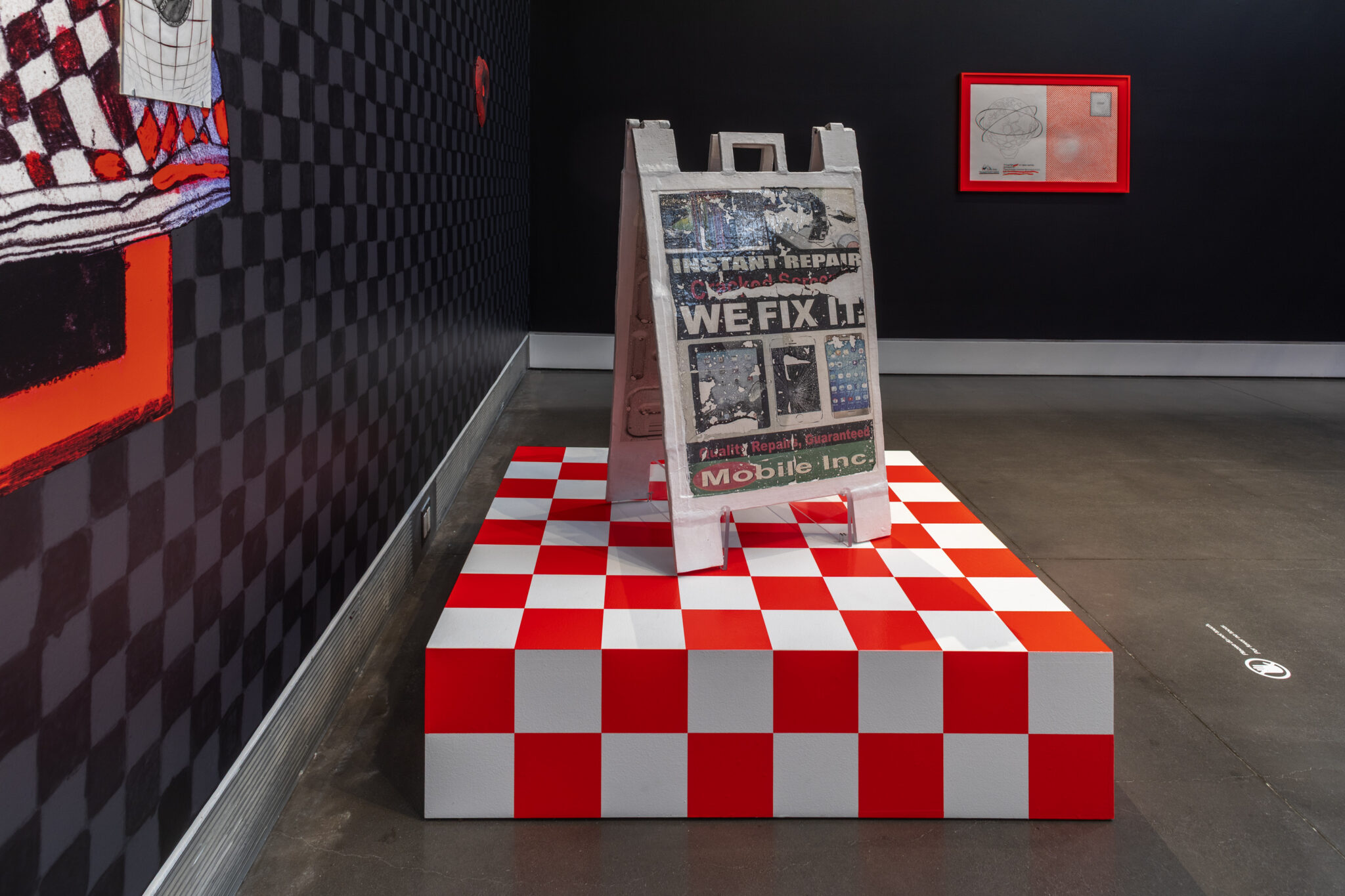
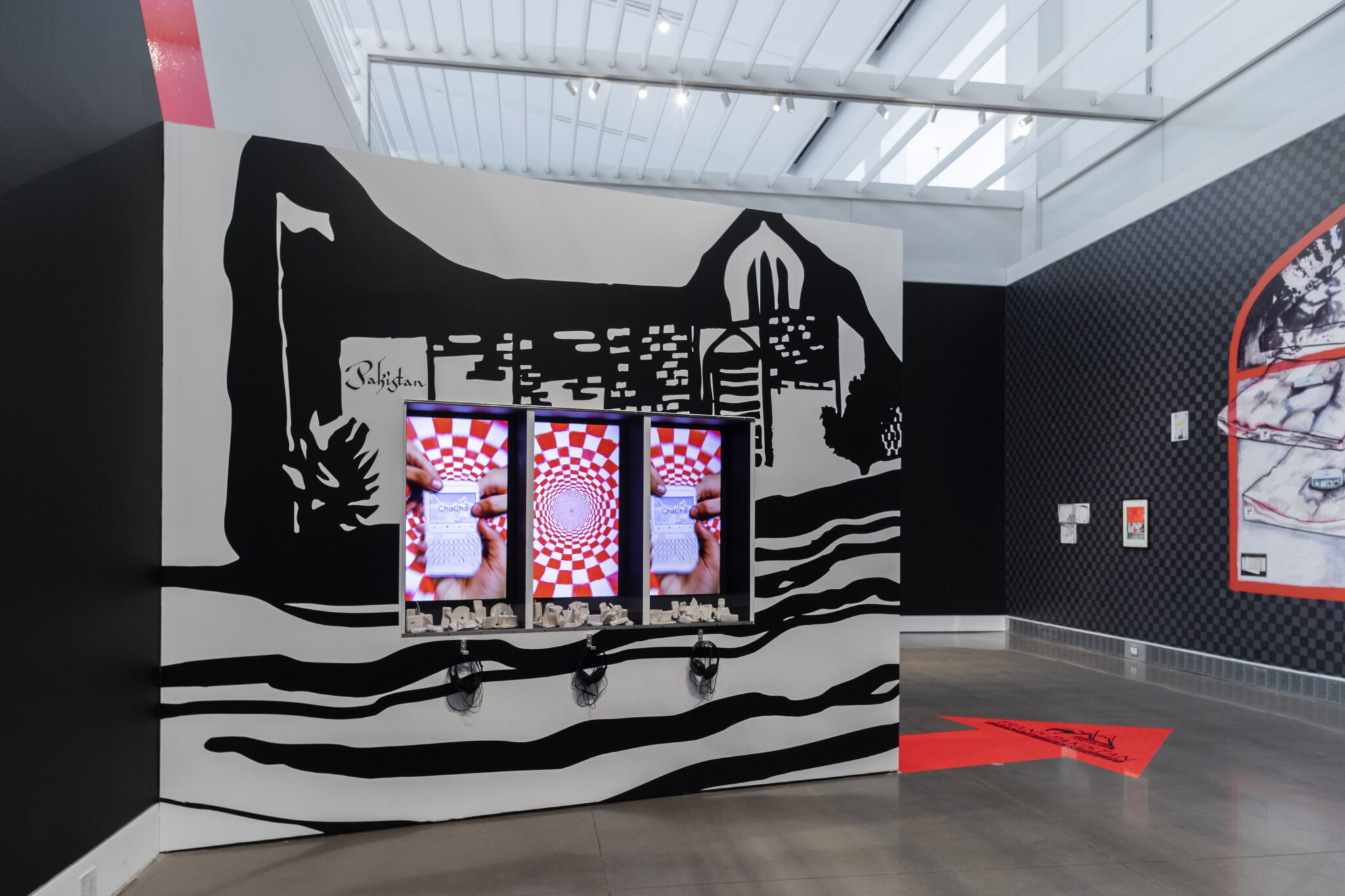
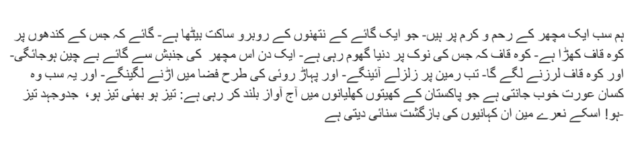
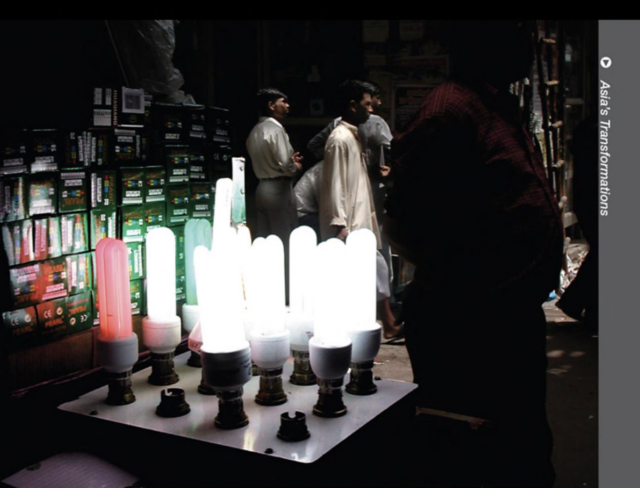
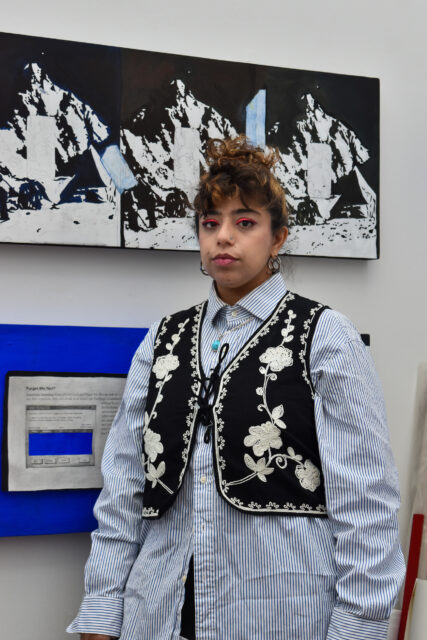
From hand-drawn posters and reconfigured maps to interactive AR postcards and 3D animations, the exhibition of this work references the Pakistan Pavilion’s architecture, displays, goods for sale, and other fragments of the pavilion circulating online. As we see, histories are in a constant state of being redefined, blurring the lines between what is considered official or unauthorized, authentic or propaganda, legible or opaque. The AR production support was provided by Harvestworks Digital Media Arts Center through the Technology Immersion program; AR programming and coding by Danielle McPhatter.*
*Danielle McPhatter is currently the Extended Realities Track mentor at NEW INC.
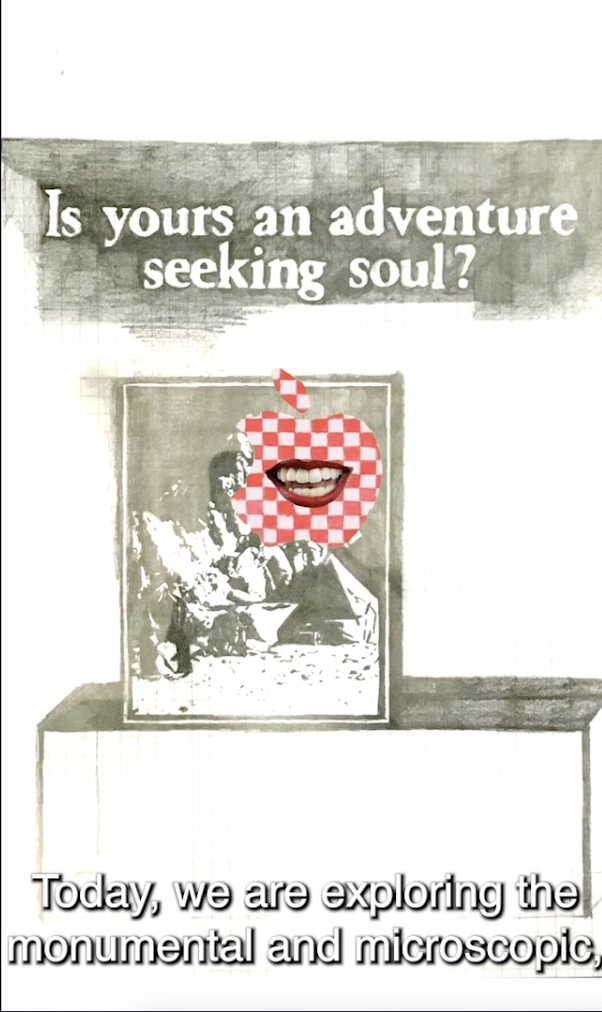
A pivotal aspect of this exhibition that ties everything together through narration, is the digital character (っ◔◡◔)っ ♥ i@ppLe♥, a tour guide of Trans-Pakistan Adventure Services. Her voice represents History (with a capital h), and her character politely interrupts and negates South Asian histories with a Western, white-washed narrative. She imitates the voices of computer-generated Bangla and recorded Urdu storytellers in the video. She will return as a digital animation interacting with me in a live Performance-Lecture that I am developing during my time here at the Eyebeam residency.
The lecture will expand on my concept of “South, (West) Asian digital kitsch,” and copy-left ethos that has been a big part of my practice since the beginning of this research project.
What are some other common threads you have been exploring in Trans-Pakistan over the years? What are the more recent developments in this process?
UM: I use architectural design and historical events specific to Pakistan to negate convoluted understandings of nationalism, community, and self within the modernist nation-state paradigm. Previous projects have conceptually incorporated state histories such as nuclear nationalism and my family ties to the 90’s photography scene in Islamabad, Pakistan. I also looked into the analog photography archives of my late, maternal, grandfather, Pirzada Abdul Waheed, who obsessively photographed Islamabad, the first Pakistani city, designed by a Greek urban-planner and the National Mosque, Faisal Mosque, funded by the government of Saudi Arabia. The international presence in the making of the first Pakistani city, post-1947 Partition, explores the illusions of a holistic national identity. These concepts are emphasized as my interest in temporal disjunctures in South Asia’s urban landscape serve as catalysts for proposing alternative futures.
More recently, I have used immersive XR media, video, and digital interfaces to synthesize a multitude of sources, including intricate drawings, familial archives, stock imagery, and Urdu publications on poetry and tourism. My practice is becoming more interactive and socially engaged, in which the public and the user body are active components of the artistic experience. I focus on creating a range of experiences through installations that blur the line between physical and digital materials–augmented reality software objects that are created from scans of hand-drawn images, then reconfigured in digital space.